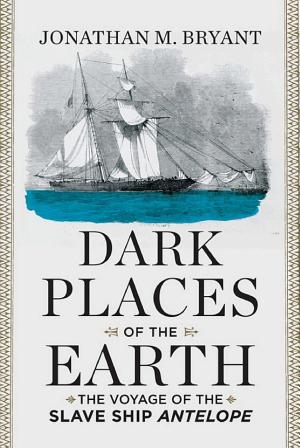
Dark Places of the Earth: The Voyage of the Slave Ship Antelope
Jonathan M. Bryant
Dark Places of the Earth won the Los Angeles Times Book Prize Finalist in History. In 1820, a suspicious vessel was spotted lingering off the coast of northern Florida, the Spanish slave ship Antelope. Since the United States had outlawed its own participation in the international slave trade more than a decade before, the ship's almost 300 African captives were considered illegal cargo under American laws. But with slavery still a critical part of the American economy, it would eventually fall to the Supreme Court to determine whether or not they were slaves at all, and if so, what should be done with them. Bryant describes the captives' harrowing voyage through waters rife with pirates and governed by an array of international treaties. By the time the Antelope arrived in Savannah, Georgia, the puzzle of how to determine the captives' fates was inextricably knotted. Set against the backdrop of a city in the grip of both the financial panic of 1819 and the lingering effects of an outbreak of yellow fever, Dark Places of the Earth vividly recounts the eight-year legal conflict that followed, during which time the Antelope's human cargo were mercilessly put to work on the plantations of Georgia, even as their freedom remained in limbo. When at long last the Supreme Court heard the case, Francis Scott Key, the legendary Georgetown lawyer and author of "The Star Spangled Banner," represented the Antelope captives in an epic courtroom battle that identified the moral and legal implications of slavery for a generation. Four of the six justices who heard the case, including Chief Justice John Marshall, owned slaves. Despite this, Key insisted that "by the law of nature all men are free," and that the captives should by natural law be given their freedom. This argument was rejected. The court failed Key, the captives, and decades of American history, siding with the rights of property over liberty and setting the course of American jurisprudence on these issues for the next thirty-five years. The institution of slavery was given new legal cover, and another brick was laid on the road to the Civil War. The stakes of the Antelope case hinged on nothing less than the central American conflict of the nineteenth century. Both disquieting and enlightening, Dark Places of the Earth restores the Antelope to its rightful place as one of the most tragic, influential, and unjustly forgotten episodes in American legal history.
Buy this book at Amazon- Publisher
- W. W. Norton & Company
- Year
- 2015
- ISBN-13
- 9781631490774
- Genre
- History
- Topics
- Slave trade and Supreme Court caseAtlantic slave tradeAmerican legal history and slavery
Awards
- Los Angeles Times Book Prize for HistoryShortlisted(2015)
If you liked Dark Places of the Earth: The Voyage of the Slave Ship Antelope, you could also like these

The Zorg: A Tale of Greed and Murder That Inspired the Abolition of Slavery
Siddharth Kara
0 wins · 5 score
The Empire of Necessity: Slavery, Freedom, and Deception in the New World
Greg Grandin
1 win · 12 score
Slavery by Another Name: The Re-Enslavement of Black Americans from the Civil War to World War II
Douglas A. Blackmon
1 win · 12 score
How the Word Is Passed: A Reckoning with the History of Slavery Across America
Clint Smith
1 win · 15 score
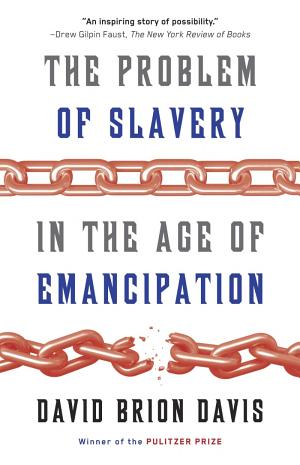
The Problem of Slavery in the Age of Emancipation
David Brion Davis
1 win · 15 score
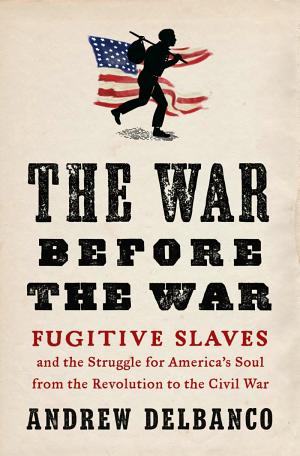
The War Before the War: Fugitive Slaves and the Struggle for America's Soul from the Revolution to the Civil War
Andrew Delbanco
2 wins · 10 score
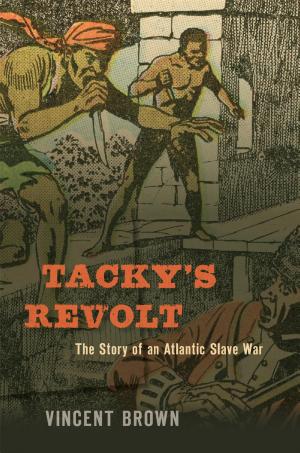
Tacky’s Revolt: The Story of an Atlantic Slave War
Vincent Brown
1 win · 8 score
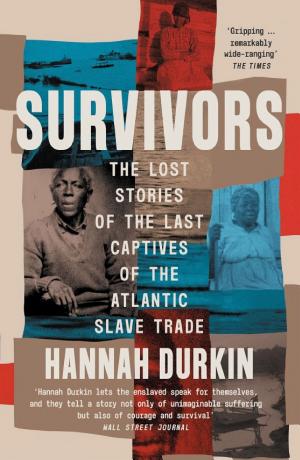
Survivors: The Lost Stories of the Last Captives of the Atlantic Slave Trade
Hannah Durkin
1 win · 8 score

Plantation Goods: A Material History of American Slavery
Seth Rockman
0 wins · 7 score

Dwelling Place: A Plantation Epic
Erskine Clarke
1 win · 8 score
A Question Of Freedom: The Families Who Challenged Slavery from the Nation's Founding to the Civil War
William G. Thomas III
1 win · 5 score

A Dreadful Deceit: The Myth of Race from the Colonial Era to Obama's America
Jacqueline Jones
0 wins · 4 score
Many Thousands Gone: The First Two Centuries of Slavery in North America
Ira. Berlin
1 win · 15 score
Been in the Storm So Long: The Aftermath of Slavery
Leon F. Litwack
2 wins · 24 score
The Sewing Girl's Tale: A Story of Crime and Consequences in Revolutionary America
John W. Sweet
1 win · 8 score
Similar Topics
Survivors: The Lost Stories of the Last Captives of the Atlantic Slave Trade
Hannah Durkin
1 win · 8 score
Atlantic slave trade
A Fistful of Shells: West Africa from the Rise of the Slave Trade to the Age of Revolution
Toby Green
0 wins · 6 score
Atlantic slave trade
The Diligent: A Voyage Through the Worlds of Slave Trade
Robert W. Harms
1 win · 5 score
Atlantic slave trade