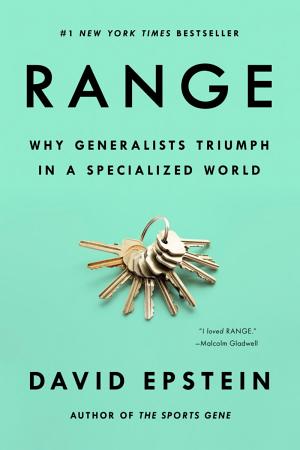
Range: Why Generalists Triumph in a Specialized World
David Epstein
Range won the Financial Times/McKinsey Business Book of the Year Award shortlist and was a #1 New York Times bestseller. Plenty of experts argue that anyone who wants to develop a skill, play an instrument, or lead their field should start early, focus intensely, and rack up as many hours of deliberate practice as possible. If you dabble or delay, you'll never catch up to the people who got a head start. But a closer look at research on the world's top performers, from professional athletes to Nobel laureates, shows that early specialization is the exception, not the rule. David Epstein examined the world's most successful athletes, artists, musicians, inventors, forecasters and scientists. He discovered that in most fields—especially those that are complex and unpredictable—generalists, not specialists, are primed to excel. Generalists often find their path late, and they juggle many interests rather than focusing on one. They're also more creative, more agile, and able to make connections their more specialized peers can't see. Provocative, rigorous, and engrossing, Range makes a compelling case for actively cultivating inefficiency. Failing a test is the best way to learn. Frequent quitters end up with the most fulfilling careers. The most impactful inventors cross domains rather than deepening their knowledge in a single area. As experts silo themselves further while computers master more of the skills once reserved for highly focused humans, people who think broadly and embrace diverse experiences and perspectives will increasingly thrive.
Buy this book at AmazonAd- Publisher
- Penguin
- Year
- 2019
- ISBN-13
- 9780735214491
- Genre
- Science & Technology
- Topics
- Learning and skill developmentCareer developmentGeneralization vs specialization
Awards
- Financial Times and Schroders Business Book of the Year AwardShortlisted(2019)
If you liked Range: Why Generalists Triumph in a Specialized World, you could also like these
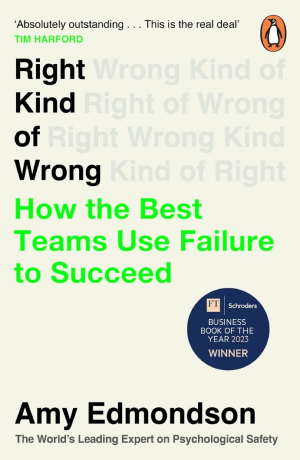
Right Kind of Wrong: Why learning to fail can teach us to thrive
Amy Edmondson
1 win · 8 score

Fast Second: How Smart Companies Bypass Radical Innovation to Enter and Dominate New Markets
Constantinos C. Markides, Paul Geroski
0 wins · 3 score
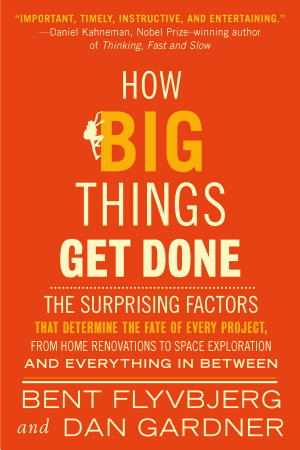
How Big Things Get Done: The surprising factors behind every successful project, from home renovations to space exploration and everything in between
Bent Flyvbjerg and Dan Gardner
0 wins · 3 score
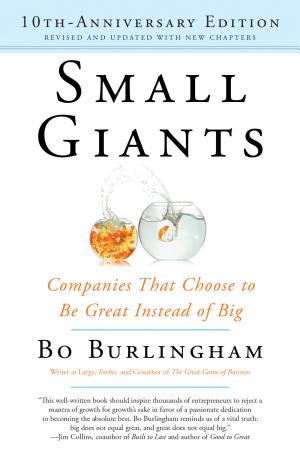
Small Giants: Companies that Choose to Be Great Instead of Big
Bo Burlingham
0 wins · 3 score

Superior: The Return of Race Science
Angela Saini
0 wins · 3 score
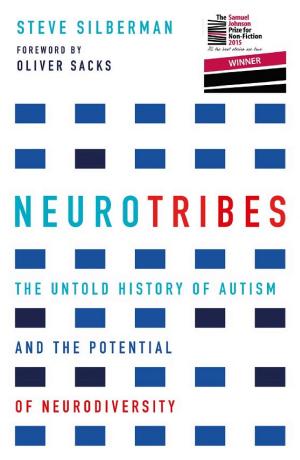
NeuroTribes: The Legacy of Autism and How to Think Smarter About People Who Think Differently
Steve Silberman
1 win · 12 score

Exactly: How Precision Engineers Created the Modern World
Simon Winchester
0 wins · 3 score
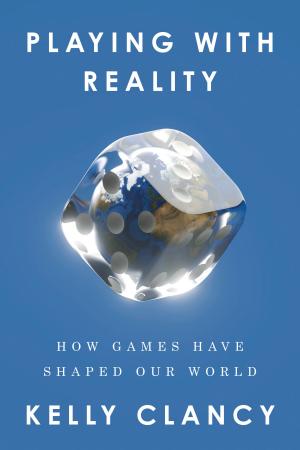
Playing with Reality: How Games Have Shaped Our World
Kelly Clancy
0 wins · 2 score
Good Strategy Bad Strategy: The Difference and Why It Matters
Richard Rumelt
0 wins · 3 score
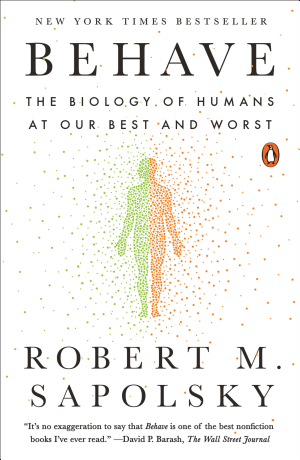
Behave: The Biology of Humans at Our Best and Worst
Robert Sapolsky
1 win · 10 score

Adaptive Markets: Financial Evolution at the Speed of Thought
Andrew W. Lo
0 wins · 3 score

Rivals: Conflict as the Fuel of Science
Michael White
0 wins · 3 score
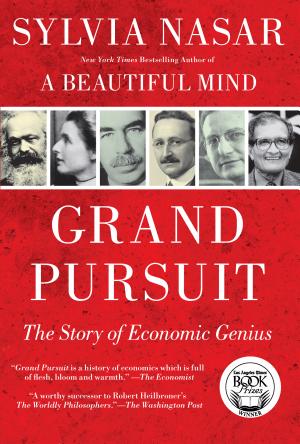
Grand Pursuit: The Story of Economic Genius
Sylvia Nasar
1 win · 8 score
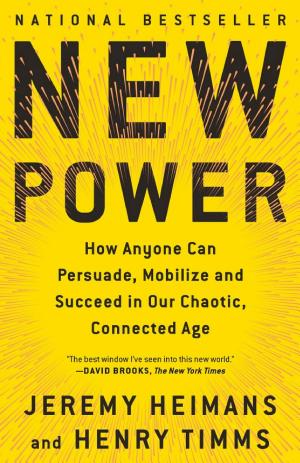
New Power: How Power Works in Our Hyperconnected World - and How to Make It Work for You
Jeremy Heimans & Henry Timms
0 wins · 3 score
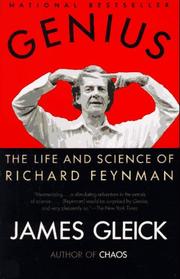
Genius: The Life and Science of Richard Feynman
James Gleick
0 wins · 11 score